Frequently Asked Questions
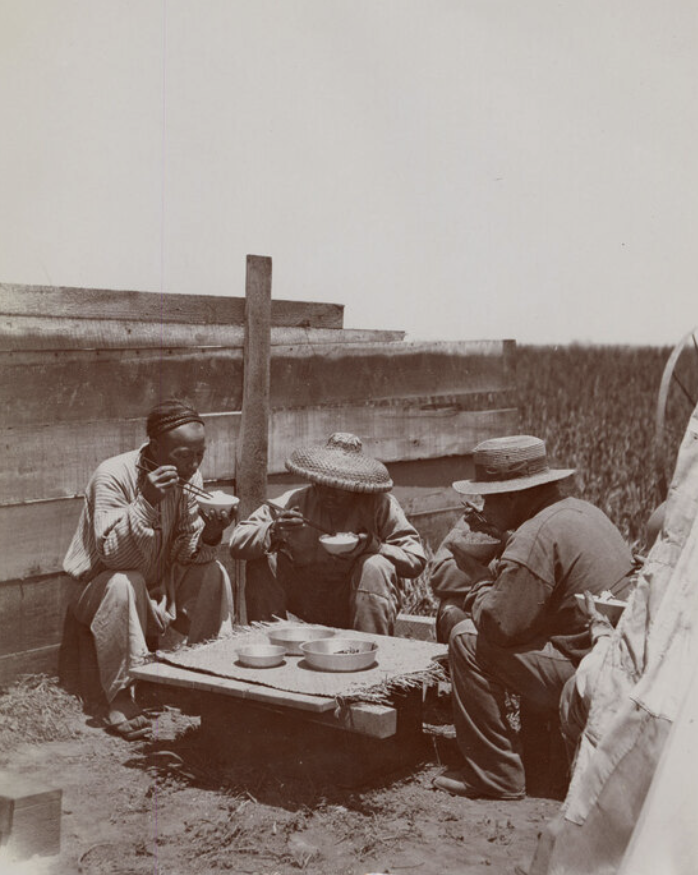
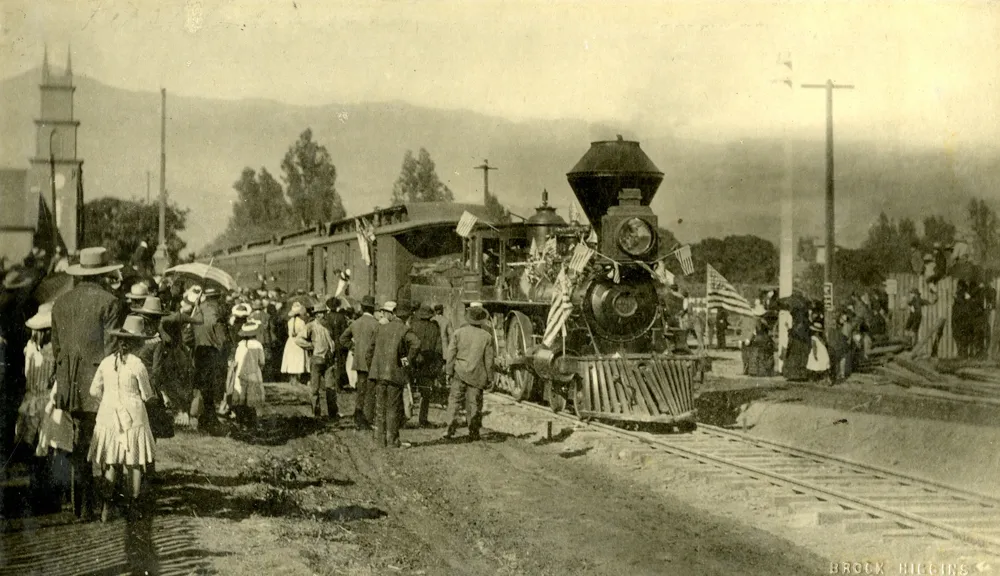
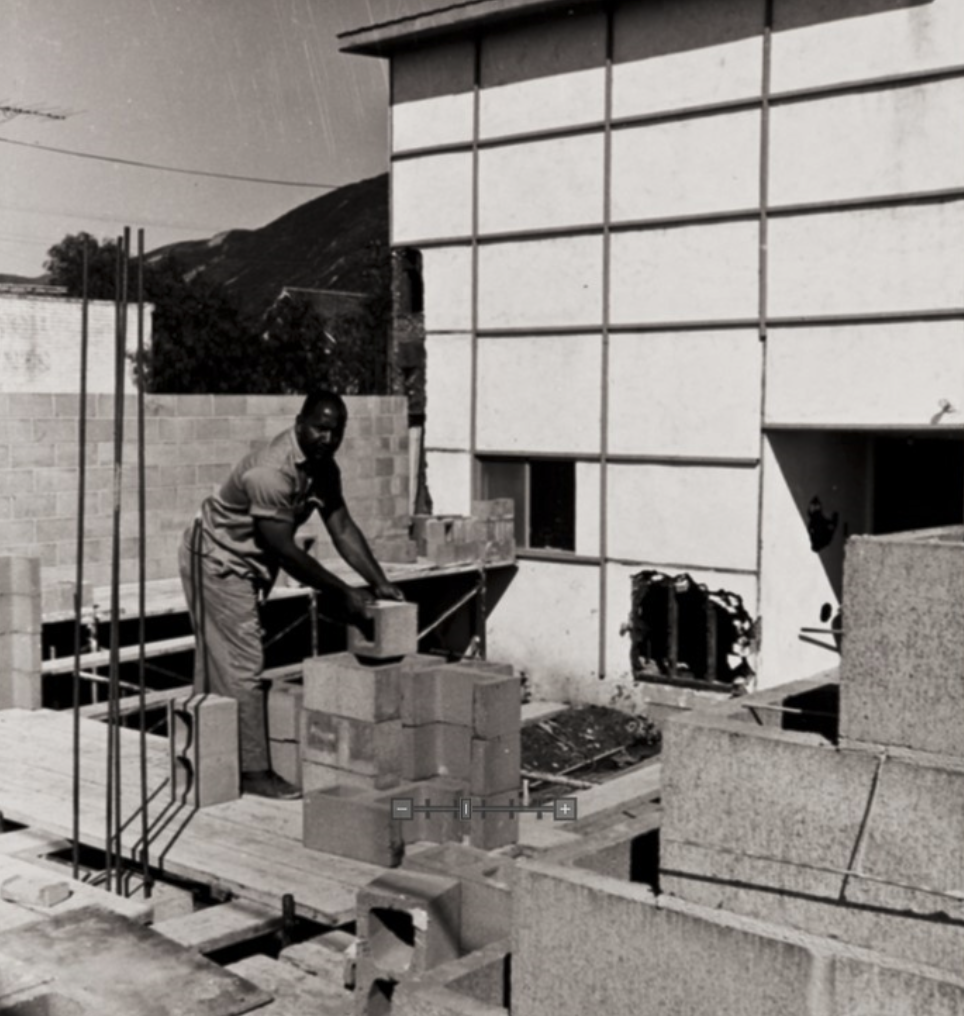
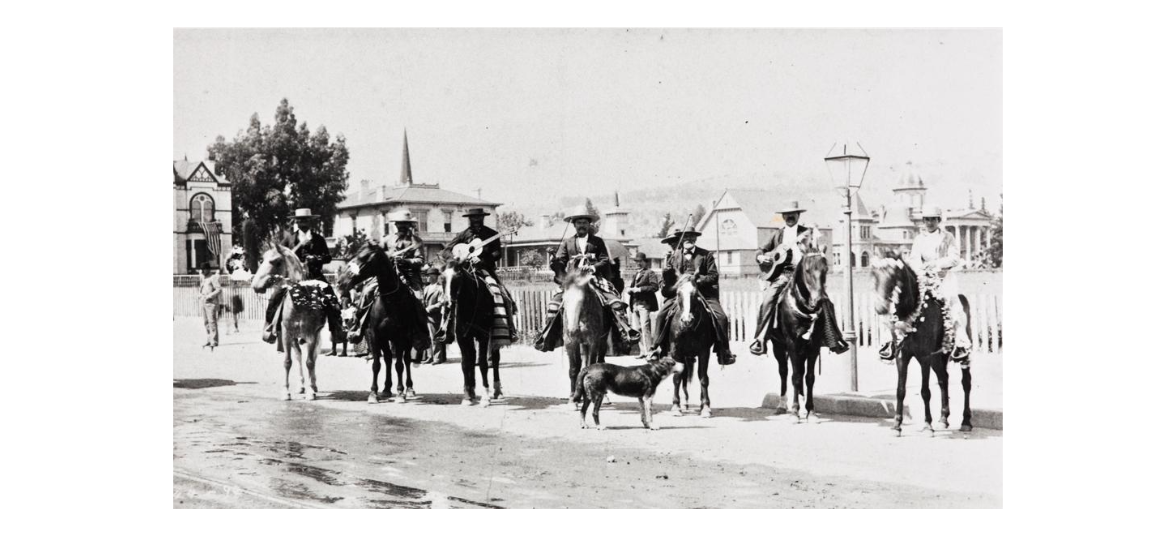
The historical photographs featured throughout this site were drawn from the archives of Ventura, San Luis Obispo, and Santa Barbara counties, and were selected with care to reflect the Central Coast as a culturally diverse region shaped by labor, community, and everyday life. These images capture moments of collective gathering, agricultural work, and neighborhood building across the tri-county area, offering a portrait of the working communities that made this region productive and livable long before it became synonymous with wealth and exclusivity. The CCREI is grounded in the belief that understanding where we come from is essential to imagining where we can go. By situating our equity work within this longer history, we hope to remind visitors that the Central Coast has looked different before, and that the conditions shaping housing, wages, and opportunity today are not fixed. These communities built something here. Our work is to honor that, reclaim what has been lost, and build toward something better.
The Central Coast Regional Equity Initiative (CCREI) is an ongoing collaboration between the UCSB Blum Center on Poverty, Inequality, and Democracy, The Fund for Santa Barbara, and the USC Equity Research Institute. Launched in 2019, our goal is to document, understand, and empower communities to take action against inequities in the tri-county region through research, policy analysis and advocacy, coalition-building, and community action to advance social, economic, political, and environmental equity.
The tri-county region spans more than 7,800 square miles with a population of over 1.5 million residents. It exists along the original unceded territory of the Chumash peoples, and these counties represent a long history of shared experience and socioeconomic interdependence. Together the three counties constitute a major hub in the broader regional, state, and national economy, with a diversified economy rooted in agriculture, tourism, services, aerospace/technology, and energy production. The region faces structural challenges in work, housing, transportation, social services, and political representation that extend throughout the region—requiring what one community consultation participant called “regionalism by necessity.”
In keeping with our commitment to actionable data and community-engaged research, our research team conducted 16 Community Consultations, held virtually with groups of community stakeholders between August 2020 and March 2021. Eight were general discussion sessions and eight were issue-specific, covering K-12 education, public higher education, racial justice, housing and houselessness, access to public health, small business, climate justice, and criminal justice. More than 130 people participated in these consultations.
In July and August 2023, we held two additional virtual community consultations with San Luis Obispo County community stakeholders. These consultations provided broad and nuanced insights about persistent inequities and communities in need throughout the County, including economic precarity and housing insecurity, communication barriers, digital divides, racial inequalities, and lack of access to transportation and adequate healthcare.
*We define “community-led” as a research process that centers community perspectives at a foundational level and leverages systematic processes to support community knowledge-base building through: helping community members frame questions, providing research path options, consistently seeking community feedback with a willingness to adapt methods, engaging community wisdom in the analysis process, and promoting collective community ownership of the research process.
Equity Matters 2024 is a supplement and update to our original 2021 report, Towards a Just and Equitable Central Coast. It expands the geographic scope to include San Luis Obispo County alongside Ventura and Santa Barbara Counties, providing a fuller picture of the tri-county region. The report features updated equity indicators based on five-year averages (2017-2021) from the U.S. Census American Community Survey, as calculated by the USC Equity Research Institute. You can access the report here.
The indicators featured in Equity Matters 2024 are principally based on five-year averages (2017-2021) from the U.S. Census American Community Survey, as calculated by the USC Equity Research Institute using microdata samples from the Integrated Public Use Microdata Series (IPUMS).
Additional data are provided by the National Equity Atlas, California Department of Justice, California Department of Finance, California Department of Education, CalEnviroScreen 4.0, Political Data, Inc., USC Center for Inclusive Democracy, and the U.S. Bureau of Economic Analysis.
The tri-county region is increasingly diverse, with 52% of residents identifying as BIPOC in 2021, projected to exceed 70% by 2060. Nearly one in five residents are immigrants, and 14% are either undocumented or living with an undocumented family member. The report documents persistent disparities in wages, housing, and economic opportunity—with workers of color concentrated in low-wage frontline occupations, and more than half of all renter households experiencing rent burden. The report also highlights the potential economic benefits of achieving racial equity, with projected GDP growth of $31 billion across the region if racial income gaps were closed.
One of our main goals is to make Equity Matters 2024 a relevant and useful tool for community organizations and activists. We encourage you to use the data presented in the report to motivate your work, engage with policymakers, and attract funding. The report provides empirically-grounded indicators of regional challenges and can serve as a benchmark for progress. If your organization is interested in partnering with our Initiative on research, community outreach, or workshops, please contact us.
The equity indicators in the CCREI data center are produced by the USC Equity Research Institute (ERI) from multiple federal and state sources. The Integrated Public Use Microdata Series (IPUMS) provides the primary source of individual-level data from the U.S. Census Bureau’s American Community Survey (ACS) and Decennial Census files. Most figures reflect a 2017-2021 five-year average, which is standard practice for improving statistical reliability across diverse communities and geographies. Population projections combine U.S. Census Bureau national projections with county-level data from Woods & Poole Economics, adjusted for consistency over time. Additional sources include the California Department of Education, CalEnviroScreen 4.0, the National Equity Atlas, and Political Data, Inc. Further sources may also be included for each equity indicator featured within the data center.
For indicators not captured in standard census surveys, ERI applied additional estimation techniques. For example, immigration status—including estimates of undocumented residents and lawful permanent residents—is not self-reported in census surveys and was instead estimated using a methodology developed by Professor Manuel Pastor at USC, drawing on the 2014 Survey of Income and Program Participation (SIPP).
The figures in the CCREI data center are based on data from some of the most widely used sources of demographic and economic information in the United States. These data are collected from sample surveys rather than a full population count, meaning the figures should be understood as estimates rather than exact counts. To improve reliability, most indicators use five-year averages (2017–2021) rather than single-year data, which helps reduce fluctuations and provides more stable estimates for smaller communities and demographic groups.
Additional safeguards are used to avoid reporting unreliable figures. Estimates based on fewer than 100 survey respondents are not reported, and some values—such as those related to immigration status—are rounded to avoid implying false precision. In cases where data for a specific group or geography is too limited to produce a reliable estimate, the data is not displayed. Together, these practices help ensure that the indicators presented in the CCREI data center are as accurate and responsible as possible given the available data.
We ask that anyone using data or visualizations from the CCREI data center acknowledge the Central Coast Regional Equity Initiative as the source. You may use either of the following citation formats depending on your needs:
Short citation:
Central Coast Regional Equity Initiative (CCREI), [year]. Central Coast Equity Profile Update. https://centralcoastequity.org/equity-indicators/
Full citation (acknowledging underlying data source):
Data from the Central Coast Regional Equity Initiative (CCREI) Data Center, based on USC Equity Research Institute analysis of U.S. Census Bureau data. Available at https://centralcoastequity.org/equity-indicators/
The data, figures, and visualizations in the CCREI data center are made available under a Creative Commons Attribution Non-Commercial No-Derivatives 4.0 International (CC BY-NC-ND 4.0) license. This means you are free to share this material for non-commercial purposes, as long as you provide appropriate attribution to the CCREI and do not modify or adapt the original content. Please use one of the citation formats above when reproducing content.
The CCREI data center presents equity indicators for the tri-county Central Coast region across a wide range of demographic groups. However, we recognize that not all communities are fully represented in the current data. Some demographic subgroups may be excluded due to limited sample sizes in the underlying survey data, some geographies have insufficient population data to produce reliable estimates, and we do not have access to data representing all equity issues on the Central Coast.
If you are looking for data on a demographic group, geographic area, or equity issue not currently represented, we welcome your input. Please contact us with your request. While we cannot guarantee that all requested data will be available or reportable, community feedback directly informs how we prioritize future updates to the data center
The CCREI will continue holding workshops, collaborating with community organizations, preparing policy briefs on additional issue areas, and hosting community discussions on critical regional equity issues. Follow our lastest updates on our Announcements page. Data from Equity Matters 2024 and related indicators for the tri-county region will be available on the CCREI website beginning in mid-2025. If you have an idea for an event or would like to collaborate with our Initiative, please contact us.
The CCREI is an initiative of the Blum Center on Poverty, Inequality, and Democracy at UC Santa Barbara. We welcome connections with organizations, researchers, and students who are working toward equity on the Central Coast. Below are some of the ways we engage.
Community organizations: If you are a nonprofit, advocacy group, or community organization interested in using CCREI data or collaborating on regional equity research, we invite you to reach out. We are especially interested in hearing how the data connects to the issues your community is navigating.
The Blum Center also supports hands-on research experience through the Poverty, Inequality, and Social Justice (PISJ) Minor, including internship placements with community organizations. We welcome organizations interested in hosting a student intern.
Researchers and academics: If you are a researcher interested in community-engaged work on the Central Coast, please contact the Blum Center to learn about current and upcoming initiatives.
General inquiries: For any other questions, please contact us or email us at centralcoastequity@gmail.com. For questions about internships, please contact the Blum Center.
The Central Coast Regional Equity Initiative

The Central Coast Regional Equity Initiative is a collaboration between:
USC Equity Research Institute (ERI)
The Fund for Santa Barbara
The UCSB Blum Center on Poverty, Inequality, and Democracy